
The platform you build on is not a technical decision. It is a revenue architecture decision, and most teams get it wrong by optimizing for the wrong variable at the wrong stage.
When companies choose a custom-coded site over a mature CMS, they typically frame the choice around control and performance. Both are legitimate concerns. But the real question is what you are trading away in time-to-publish, iteration speed, and organic search compounding, and whether that trade is actually worth what you paid for it.
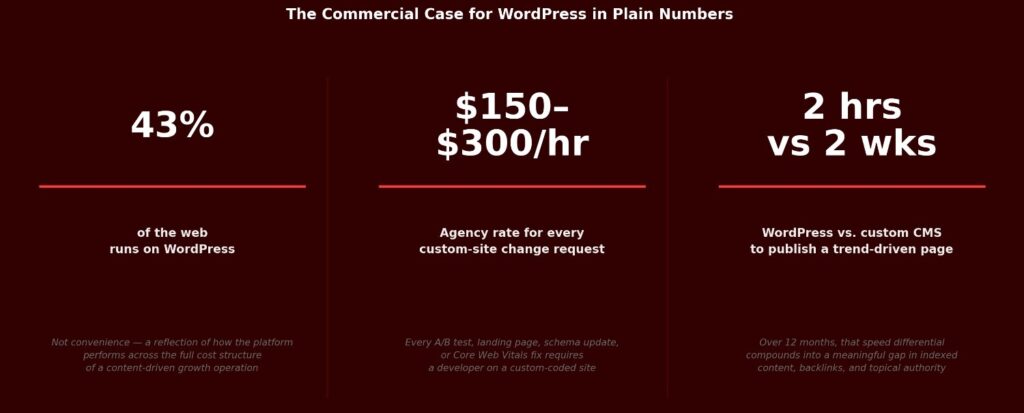
WordPress powers roughly 43% of the web. That is not a coincidence of convenience. It is a reflection of how the platform performs across the full cost structure of running a content-driven growth operation.
This article breaks down where WordPress wins, where it does not, and how to think about the decision in commercial terms rather than technical ones.

The Hidden Cost of a Custom-Coded Site
Custom development looks cheaper than it is. The upfront build cost is visible. The ongoing cost is not.
Every feature addition, every A/B test, every new landing page format, every schema markup update, every Core Web Vitals fix, every time your marketing team needs something that was not in the original spec, a developer needs to be involved.
At agency rates, that is $150 to $300 per hour. At in-house rates, it is still a prioritization conflict in the engineering queue.
The more fundamental cost is velocity. SEO compounds when you publish consistently, iterate on content, test different formats, and move fast on search trends. A custom-coded site creates friction at every step of that cycle.
The teams that outrank their competitors in organic search are rarely the ones with the most technically sophisticated infrastructure. They are the ones that publish more, iterate faster, and build topical depth more quickly.
That is where the real cost lives: Not in the build, but in the compounding opportunity cost of moving slowly.
What WordPress Actually Does for Organic Search
WordPress does not rank your content. Your content, your authority, and your technical hygiene do that. But the platform removes a significant number of structural barriers that slow sites down in search.
Crawlability and Clean Code Output
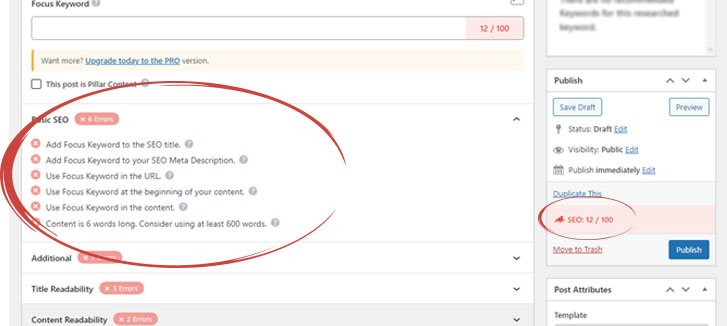
WordPress generates well-structured HTML that search engine crawlers can parse efficiently. The permalink structure is configurable, canonical tags are manageable through plugins like Yoast or Rank Math, and XML sitemaps are handled automatically.
These are baseline requirements that custom-coded sites routinely miss in their initial build, requiring expensive retrofitting later.
On-Page Optimization at Scale
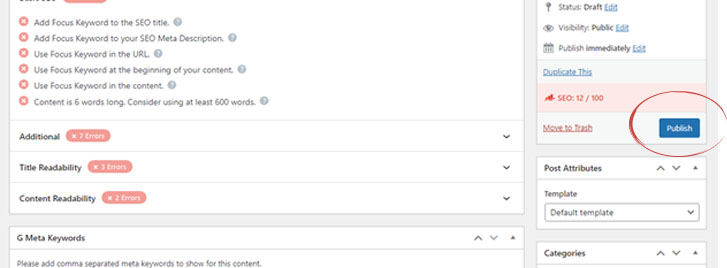
When your content team can manage title tags, meta descriptions, focus keywords, schema markup, and internal linking without developer involvement, the quality of your SEO execution increases and the cost per optimized page drops dramatically.
WordPress with a solid SEO plugin gives non-technical editors that capability directly in the CMS.
Most companies underestimate how much optimized content they are leaving unpublished because the technical debt of their custom CMS creates a bottleneck at the editorial layer.
Technical SEO Maintenance Over Time
Core Web Vitals thresholds shift. Schema markup standards evolve. Mobile rendering requirements change. On a custom-coded site, each of these requires a developer.
On WordPress, a combination of theme updates, caching plugins, image optimization plugins, and CDN configuration handles the majority of these changes without engineering involvement.
The compounding effect is real. A site that consistently maintains good technical fundamentals over 18 to 24 months will outrank a technically superior site that updates slowly.
The Plugin Ecosystem as a Growth Infrastructure Layer
The WordPress plugin ecosystem is one of those features that sounds like a convenience but functions as a genuine competitive moat when used strategically.
Consider what a mature plugin stack replaces in custom development:
- SEO tooling: Yoast SEO, Rank Math, or All in One SEO replaces weeks of custom meta management development
- Performance: WP Rocket, Nitropack, or LiteSpeed Cache handles page speed optimization that would otherwise require significant custom engineering
- Security: Wordfence, Sucuri, and iThemes Security provide enterprise-grade protection at a fraction of what a custom security implementation would cost
- Conversion optimization: Form builders, lead capture tools, CRM integrations, and A/B testing tools that connect without a custom API work
The mistake most teams make with plugins is treating them as an afterthought. The teams getting the most out of WordPress plan their plugin architecture before launch, not after. They treat the plugin stack as infrastructure, not decoration.
One practical caution: Plugin sprawl is a real performance and security risk. Every plugin you add increases your attack surface and can introduce speed regressions. The discipline is not in adding everything available but in curating only what meaningfully moves a business metric.
Content Velocity and the Compounding Organic Model
Organic search is a compounding channel. The teams that understand this build content machines, not content campaigns. WordPress was built for content operations, and that heritage shows in how quickly teams can move on it.

A content team operating in WordPress can draft, edit, schedule, optimize, and publish without a single engineering ticket. That might sound basic, but it represents a structural speed advantage when multiplied across a twelve-month content calendar.
Consider a scenario where your team wants to capitalize on a search trend that emerges in your category.
On a custom-coded CMS with a developer dependency, getting a well-structured page live might take two weeks. On WordPress, your editor can have it published in two hours. That is not a marginal advantage.
Over a 12-month period, those speed differentials add up to a meaningful gap in indexed content, backlink accumulation, and topical authority signaling.
Topical authority, which is how Google increasingly evaluates domain expertise, is built through depth and breadth of content coverage in a given subject area. The faster you can build that coverage, the faster you establish authority.
WordPress removes the friction from that process in a way that custom-built CMS platforms rarely manage to replicate.
Security: Where WordPress Gets Unfairly Criticized
WordPress security concerns are real, but they are frequently overstated and almost always tied to poor maintenance habits rather than inherent platform vulnerabilities.
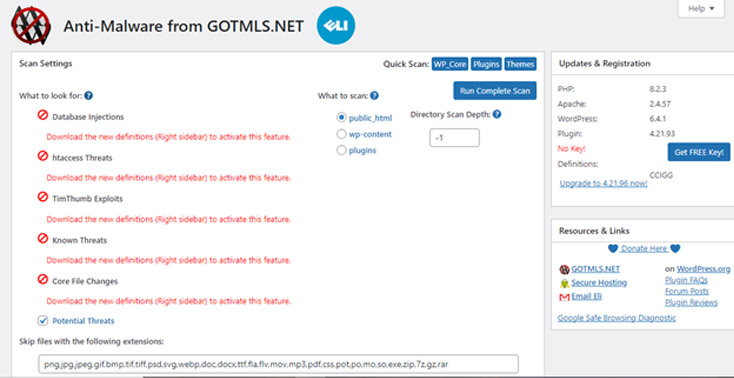
WordPress has a dedicated security team that responds to vulnerabilities faster than most custom development shops can patch their own code. The majority of WordPress sites that get compromised are running outdated plugins, outdated themes, or weak credentials. That is an operational problem, not a platform problem.
When maintained properly, which means automated updates, a disciplined plugin audit cadence, two-factor authentication, and regular offsite backups, WordPress is as secure as any custom-coded alternative at the same price point. Most enterprises running WordPress at scale combine this with a web application firewall and a managed WordPress hosting environment.
Custom-coded sites are not inherently more secure. They are often less secure because they receive less consistent maintenance and do not benefit from the same community-scale vulnerability monitoring.
Theme Architecture and What Most Teams Get Wrong
WordPress themes are where most implementations go wrong. Teams conflate having a lot of theme options with having a good design system, and the results are inconsistent branding, bloated page weight, and a front-end that fights the editor rather than supporting them.
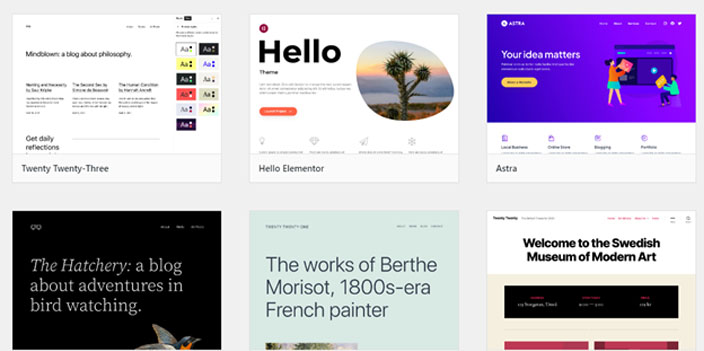
The better approach is to select a performance-focused theme framework (Kadence, GeneratePress, and Blocksy are worth evaluating) and build a limited component library on top of it. You want a theme that does less, not more, and gives your developers clean override points rather than a configuration UI that non-technical users will eventually break.
Page builders like Elementor or Divi solve a real problem for teams without front-end resources. They also introduce performance overhead and technical debt that becomes expensive to unwind at scale.
If your team has even light front-end capability, a block-based approach using the native Gutenberg editor or a lean builder will serve you better long-term.
The decision framework is this: Optimize your theme selection for the size of your technical team and your anticipated publishing volume, not for the widest possible design flexibility.
Maintenance as a Growth Function, Not a Cost Center
This is a framing problem that shows up consistently in how marketing leaders think about their CMS. Maintenance is treated as overhead. It should be treated as a performance investment.
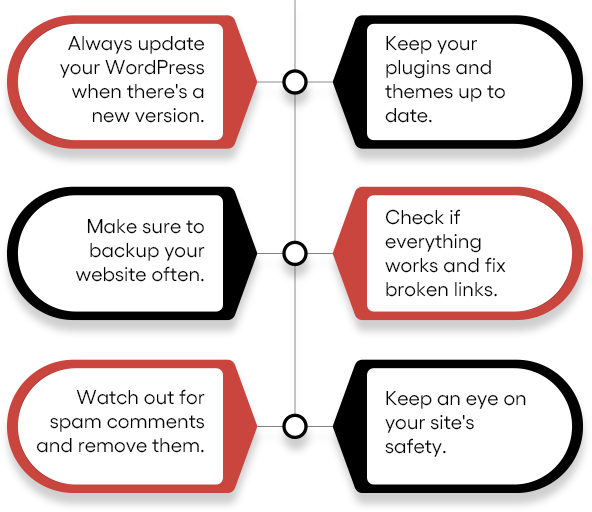
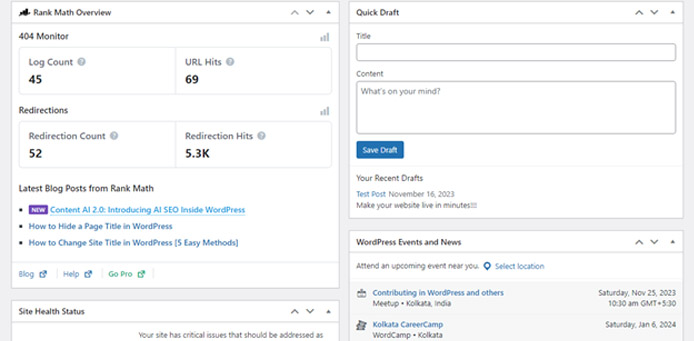
A well-maintained WordPress site compounds in organic performance.
- Core updates improve security and performance.
- Plugin updates patches vulnerabilities, and adds functionality.
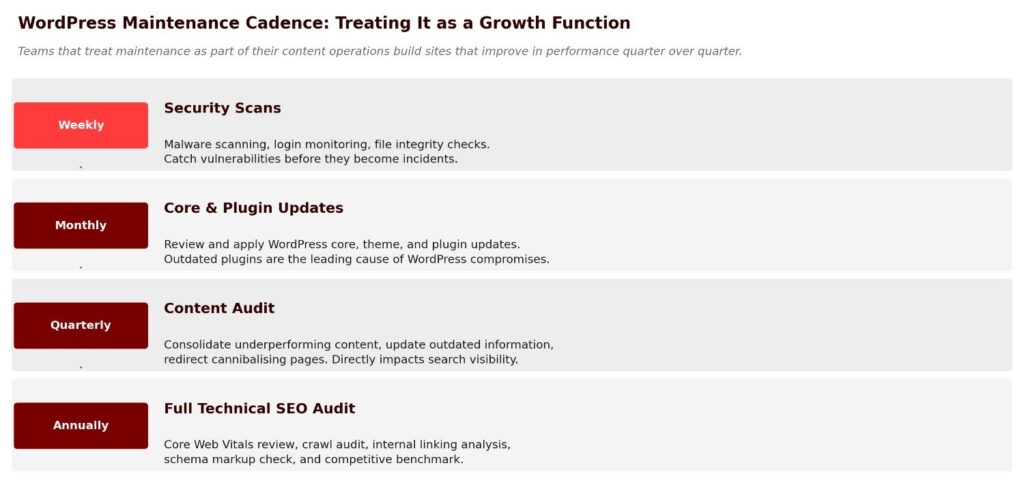
- Regular content audit allows you to consolidate underperforming content, update outdated information, and redirect cannibalizing pages.
These activities directly impact your search visibility and your ability to hold rankings against emerging competitors.
Teams that neglect maintenance accumulate technical debt that eventually requires a costly migration or rebuild. Teams that treat maintenance as part of their content operations build sites that improve in performance quarter over quarter.
The practical cadence: Core and plugin updates reviewed monthly, security scans weekly, content audits quarterly, and a full technical SEO audit annually. WordPress makes all of this achievable with a lean operations setup.
When WordPress Is Not the Right Answer
There are genuine scenarios where WordPress is the wrong tool. Being clear about this is more useful than a platform advocacy position.
Very high-traffic media properties with extreme uptime requirements and complex content relationships sometimes outgrow what WordPress can efficiently handle without significant infrastructure investment. At that scale, headless architectures using WordPress as a content API and a custom front-end can preserve the editorial benefits while solving the performance ceiling.
Applications that are primarily software products with minimal content requirements are better served by frameworks built for application logic rather than content management. WordPress is a CMS with application capabilities, not the reverse.
Companies with extremely specific design system requirements and a full-time front-end team may find that the constraints of even a lean WordPress theme create unnecessary friction. In those cases, a headless build may justify the additional development complexity.
For the majority of D2C brands, B2B companies, and content-led tech firms, none of these exceptions apply. WordPress handles the use case efficiently and cost-effectively.
The Commercial Case in Plain Terms
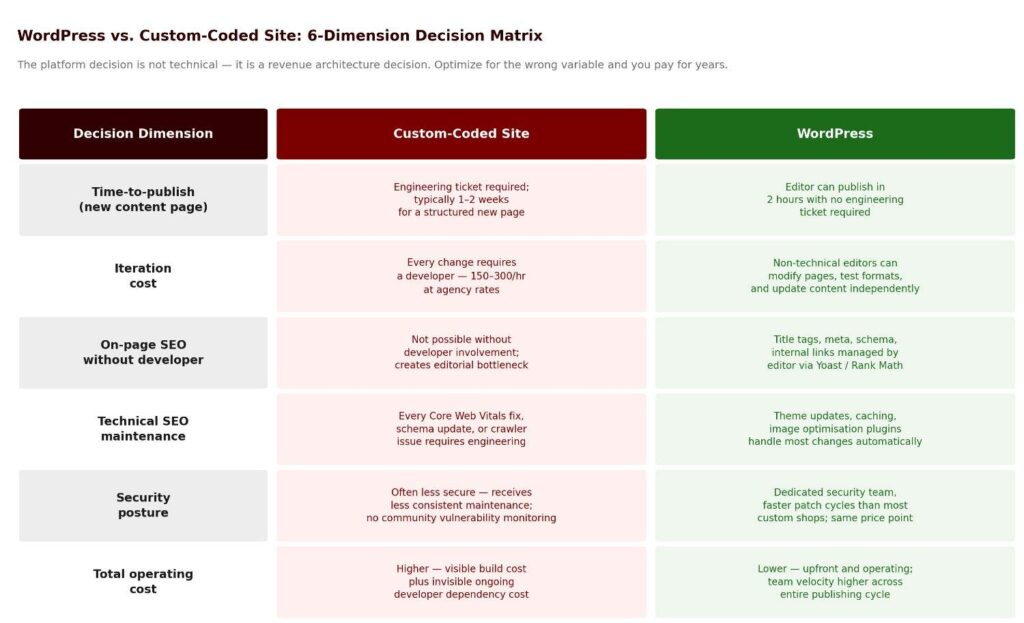
If you are evaluating WordPress against a custom build or an alternative CMS, the decision matrix should include:
- Time-to-first-publish: How quickly can your team get content live without engineering involvement?
- Iteration cost: What does it cost, in time and money, to modify a page, add a new content type, or implement a new SEO requirement?
- Total annual operating cost: Including developer time, maintenance, tooling, and opportunity cost from delayed publishing
- Organic compounding potential: Given your content strategy, which platform allows you to publish at the velocity and depth needed to build topical authority in your category?
Across those metrics, WordPress wins for most teams that are serious about organic as a revenue channel. The upfront cost is lower, the operational cost is lower, the editorial velocity is higher, and the SEO tooling is mature.
The trade-off is that you need to invest in proper configuration and maintenance, which is true of any platform.
Ready to Test If WordPress Can Be a Better Fit?
If you are running a custom-coded site and suspect your publishing infrastructure is limiting your organic growth, a platform audit can clarify the actual cost of your current setup versus an alternative architecture. Request a teardown of your current content and CMS operation to see where the friction is and what it is actually costing you in organic performance.
Platform decisions made at the wrong stage, for the wrong reasons, have a way of limiting your organic ceiling for years. Getting this right is worth the evaluation time.