
The brands getting the most efficient return from influencer marketing right now are not the ones working with celebrities. They are the ones who have figured out that a fitness creator with 18,000 dedicated followers in a specific vertical will consistently outperform a macro-influencer with two million general followers, at a fraction of the cost and with meaningfully better conversion rates.
This is not a new observation. But the operational implications of it are still underutilized by most brands, particularly in the way campaigns are structured, how influencers are selected, and how performance is measured beyond surface-level engagement metrics.
Here is the full picture: What micro-influencer marketing actually is, why the engagement mechanics work the way they do, how to find the right partners, and how to build campaigns that drive commercial outcomes rather than awareness theater.
What Defines a Micro-Influencer and Why This Matters
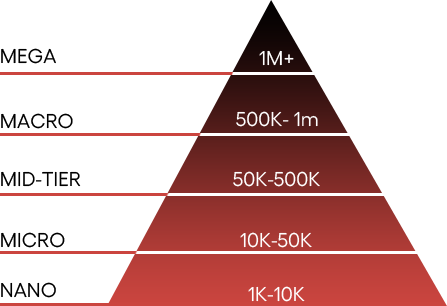
The commonly accepted range for micro-influencers is between 10,000 and 100,000 followers, though the more useful definition is functional rather than numerical: A micro-influencer is someone whose audience follows them specifically for their perspective on a defined subject area, and who maintains genuine ongoing interaction with that audience.
That functional definition matters because it explains the engagement differential.
At the macro level, the relationship between creator and follower becomes increasingly passive. Large audiences are exposed to content, but rarely in active dialogue with it.
At the micro level, the follower is often there because they found a specific voice whose judgment they trust on a specific topic, and the creator is close enough to their audience to maintain real conversational engagement.
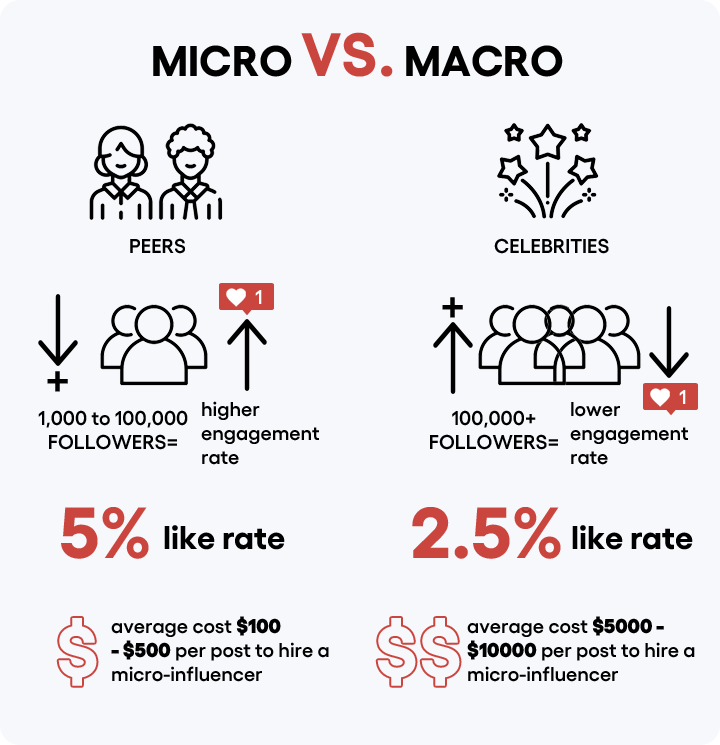
The numbers reflect this. Micro-influencers consistently generate higher engagement rates per post than macro-influencers, with some studies putting the difference at two to three times the rate at comparable audience sizes.
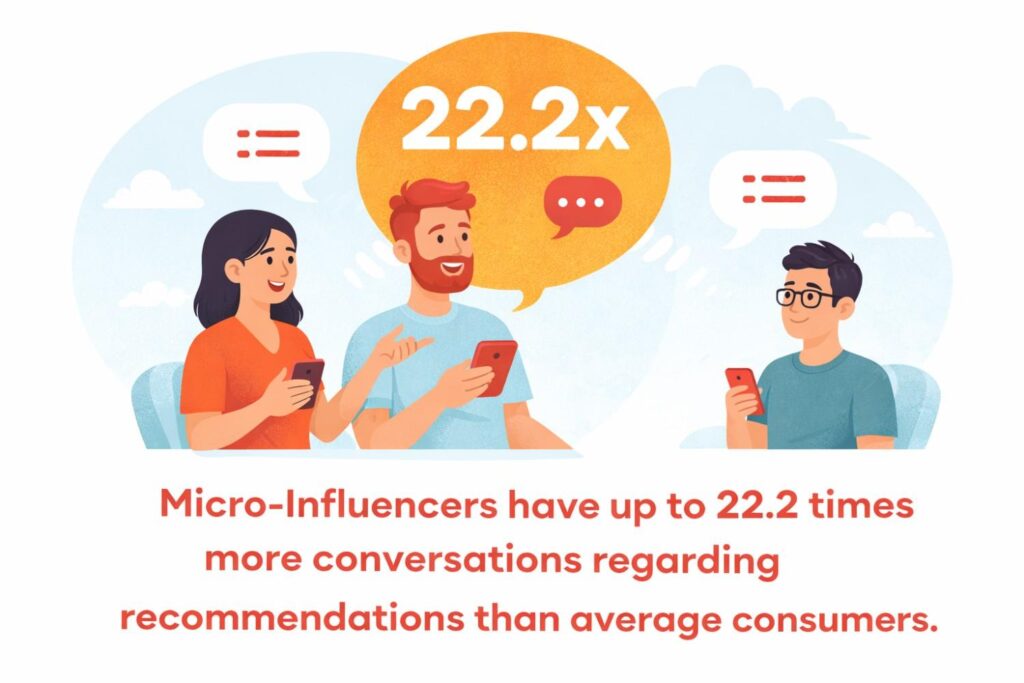
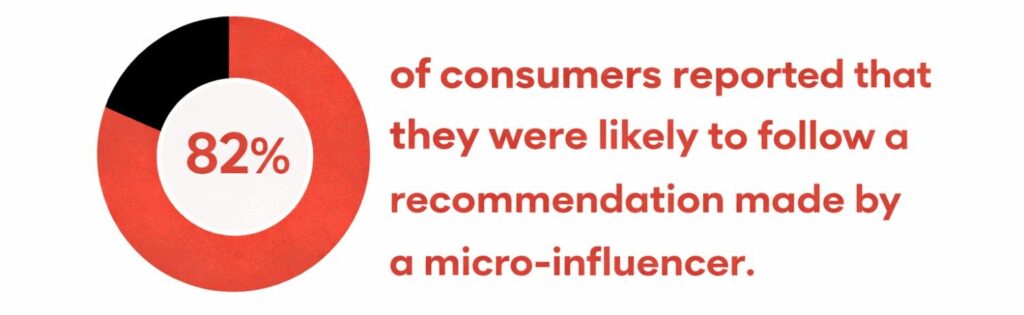
More commercially relevant: Research from Experticity found that micro-influencers drive purchase-consideration conversations at significantly higher rates than average consumers. Their recommendation carries more perceived credibility because the audience knows the influencer is speaking from genuine experience in their niche.
For brands evaluating where to allocate influencer budget, the math is straightforward. A campaign working with ten micro-influencers at a combined cost similar to one macro-influencer collaboration will typically generate
- more total engaged impressions,
- more qualified audience reach within the target segment, and
- more authentic content variation that can be repurposed.
Audience-Topic Fit: The Key to Campaign Performance
The most common and most costly mistake in influencer marketing is selecting partners based on follower count and audience demographics without verifying actual content-audience alignment. A beauty influencer with the right demographic profile for your skincare brand is not automatically the right partner. The relevant question is whether their audience follows them specifically for beauty and skincare content, or whether beauty is one topic among many in a general lifestyle feed.
The distinction matters for conversion.
- An audience that follows a creator because they trust their judgment on skincare is primed to respond to a skincare recommendation.
- An audience that follows a lifestyle creator who occasionally posts about beauty is a much weaker conversion environment for the same recommendation.
This is why category specificity is a better selection criterion than demographic fit alone. The right micro-influencer for a specialty kitchen equipment brand is not necessarily the food influencer with the largest following. It might be the home cook with 12,000 followers whose audience is specifically there for equipment reviews and technique guidance, and whose recommendations carry purchase-conversion weight that a broader food creator cannot match.
There are brands that have deliberately broken this pattern with interesting results. Adidas has worked with non-sport influencers. Daniel Wellington built its early growth largely through micro-influencer partnerships that extended well beyond watch and fashion creators.
These are intentional strategic decisions to reach adjacent audiences, not substitutes for primary-category alignment. For most brands, particularly those early in building influencer program ROI, starting with category alignment is the lower-risk, higher-return approach.
Where to Find Micro-Influencers to Work With
Platform selection should follow audience behavior, not brand preference. Your target buyer spends time on specific platforms for specific reasons, and micro-influencer programs generate better returns when they meet that audience in its natural context.
- For consumer categories where visual product presentation matters, Instagram remains the primary environment. The combination of feed posts, Stories, and Reels creates multiple content surfaces that micro-influencers navigate with native fluency.
- For categories where research and detailed evaluation drive purchasing, YouTube delivers more depth and search visibility over time.
- For B2B-adjacent influencer marketing and professional services, LinkedIn has a growing creator layer whose reach is modest but whose audience engagement reflects professional decision-making context.
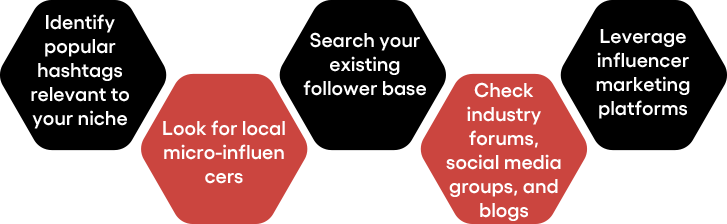
Finding candidates at the micro level:
Platform-native search using relevant hashtags and topic filters surfaces active creators in specific categories. Search the tags your target audience uses, not the brand terms. What comes up reflects who is actually producing content in that space and building organic audiences around it.
Your existing customer base is an underused source. Users who are already creating content about your category or your product, even without large followings, are natural micro-influencer candidates. They have demonstrated both interest and content-creation behavior. The best partnership conversations often start with a brand noticing an organic mention from a creator whose audience profile fits.
Influencer platforms like AspireIQ, Grin, and Upfluence provide searchable creator databases with audience analytics.
For brands running programs at scale, the efficiency gain from platform tooling is significant. For smaller programs, manual research through platform search is sufficient and often surfaces authentic creators that algorithm-driven tools miss.
The vetting criteria that matter:
Engagement rate relative to follower count, not absolute engagement volume. A creator with 8,000 followers and a 6% engagement rate is more valuable than a creator with 60,000 followers and a 0.8% engagement rate for most campaign objectives.
Audience authenticity indicators:
- comment quality (real conversation versus bot-generated generic responses),
- follower growth trajectory (organic and gradual versus spike-shaped), and
- content consistency over time.
Audience quality tools built into most influencer platforms will surface fake follower ratios, which remain a meaningful problem in the micro-influencer tier despite platform enforcement efforts.
Check the content-brand fit at the editorial level. Read the creator’s last thirty posts. Does the voice, aesthetic, and thematic focus create an environment where your product will feel native rather than jarring?
A sponsored mention that looks incongruous with surrounding organic content generates skepticism rather than conversion intent.
Campaign Structures That Drive Commercial Outcomes
Hashtag Campaigns With Genuine Participation Incentives
Coca-Cola’s #CokeAmbassador program is the oft-cited reference case for a reason.
The structural logic is sound:
- recruit micro-influencers to generate organic-looking content around a campaign hashtag
- creating a distributed content stream that scales without proportional budget increase.
What makes this work is the combination of genuine product integration, creative latitude for the influencer to maintain their authentic voice, and a hashtag that serves both community-building and brand-discoverability functions.

The mistake brands make with hashtag campaigns: Treating them as broadcasting exercises rather than community-building ones. Campaigns that give micro-influencers a rigid content brief undermine the authenticity that makes micro-influencer content effective. The brief should communicate the objective and any non-negotiable brand requirements, then give creators real room to interpret.
User-Generated Content as an Influencer Program Output
The most durable output from a well-run micro-influencer program is not the impressions from the initial posts. It is the library of authentic user-generated content that can be repurposed across owned channels, paid advertising, and product pages.
UGC from micro-influencers outperforms brand-produced creative in performance advertising for most consumer categories because it carries the visual and tonal signals of organic content rather than advertising. Audiences that have become fluent at pattern-matching to identify ads respond differently to content that reads as a genuine recommendation.
Rights acquisition should be addressed in the initial partnership agreement. Content created by an influencer is their intellectual property by default. Explicit licensing terms for repurposing across channels prevent friction later when the most effective content is identified.

Sponsored Content Done With Creator Latitude
Sponsored posts fail when they look like sponsored posts. The integration that converts is one where the product appears naturally within the creator’s established content aesthetic, and the recommendation language sounds like the creator, not a brand brief.
This requires trusting the creator. Brands that over-script sponsored content consistently get worse performance than brands that communicate what they need to convey and then step back. The creator knows their audience. They know what messaging will land as authentic and what will generate skepticism.

The commercial brief for a sponsored post should include:
- what the audience needs to understand about the product,
- any required disclosures (which are legally mandated in most markets),
- any language that must be avoided, and
- a clear call to action.
Everything else should be the creator’s judgment call.
Narrative Campaigns That Build Over Time
Single-post influencer collaborations are tactical. Multi-post narrative campaigns that unfold over weeks or months are where micro-influencer relationships build genuine brand equity.
A creator who documents their experience with a product over time, purchase, first use, thirty-day update, three-month reflection, produces a content arc that tracks authentic behavior. It also builds a case for the product through demonstrated evidence rather than a single endorsement moment.
This format is more credible, more searchable, and more durable than the standard sponsored post, and it is underused because it requires more relationship investment upfront.
Measuring What Actually Matters
Most influencer marketing measurement stops at engagement: likes, comments, shares, and story views. These are inputs to commercial outcomes, not commercial outcomes themselves.
The metrics that connect influencer activity to business results vary by campaign objective:
For brand awareness and reach: unique accounts reached, share-of-voice in relevant hashtags, follower growth rate on owned channels during campaign periods.
For traffic and consideration: referral traffic from influencer-specific tracking links, landing page conversion rates from influencer traffic, time on page and page-per-session for influencer-referred visitors. UTM parameters on all campaign links are non-negotiable for this.
For direct response and conversion: promo code redemption rates (unique codes per influencer are essential), direct sales attribution from affiliate tracking, cost per acquisition compared against other paid channels.
For longer-term brand health: sentiment analysis of comments and mentions, repeat purchase rates among cohorts acquired through influencer campaigns, and customer lifetime value comparisons between influencer-acquired and other acquisition sources.
The expectation-setting conversation matters here. Micro-influencer campaigns are efficient at driving qualified engagement and mid-funnel conversion. They are not typically the most efficient mechanism for immediate direct-response conversion at scale. Brands that measure micro-influencer campaigns against the same CPA benchmarks as search advertising are measuring the wrong thing and will undervalue programs that are actually building durable commercial assets.
Relationship Management as a Competitive Advantage
The brands that get disproportionate value from micro-influencer marketing over time are not the ones with the best campaign briefs. They are the ones who build genuine, ongoing relationships with creators whose audiences are valuable to them.
This means treating micro-influencers as partners rather than media placements. Things that contribute to creator loyalty and translate into more authentic, higher-quality content over time include:
- early product access,
- input into product development and naming,
- invitations to events and behind-the-scenes access,
- recognition and promotion of their own projects, and
- transparent long-term relationship agreements.

Creator loyalty also has a competitive dimension. A micro-influencer with a highly valuable niche audience who has a strong ongoing relationship with one brand is effectively off the market for competitors. At the micro level, exclusive or first-right-of-refusal relationships with key creators in a category are an achievable and defensible competitive position.
The practical note on outreach: Most micro-influencers manage their own communications. Direct outreach via the contact information in their profile is typically the right starting point, not agency intermediaries. A personalized message that demonstrates actual familiarity with their content consistently outperforms templated partnership proposals, which creators in active niches receive regularly and filter efficiently.
The Compounding Return
Micro-influencer marketing compounds in ways that most paid acquisition channels do not. A single campaign generates impressions. A sustained program builds a network of credible advocates whose ongoing content creates persistent brand association in the communities that matter to your category.
The brands that have built this kind of network over years, in categories from CPG to software to professional services, have created a distribution asset that cannot be quickly replicated by competitors.
The cost to acquire and sustain those relationships is real. The switching cost for a competitor trying to build equivalent reach in the same communities from scratch is higher.
That is the strategic case for treating micro-influencer marketing as an ongoing program rather than a campaign-by-campaign tactical choice. The short-term returns are measurable. The long-term returns are structural.
Wondering If Micro-Influencer Marketing Can Benefit Your Brand?
If you want to assess how a micro-influencer program could fit your current acquisition mix, or evaluate whether your existing influencer spend is generating the return it should be, a structured channel review is the right starting point. Request an influencer strategy assessment and get an honest read on where the opportunity is.