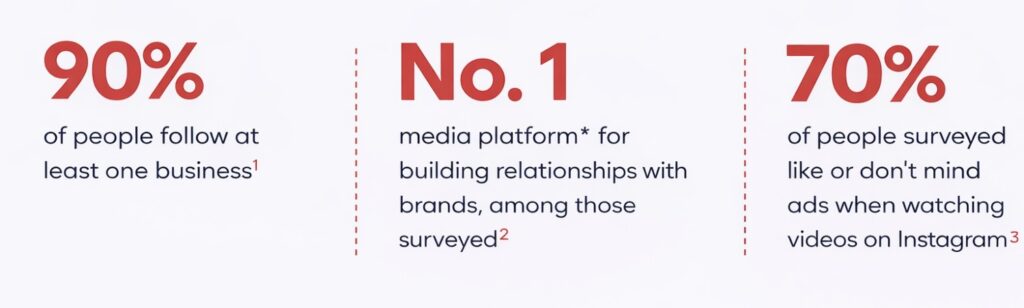
Instagram has over 1.3 billion monthly users, and most brands are generating noise for a fraction of them while converting almost none. The problem is not the platform. It is the absence of a commercial logic connecting content decisions to business outcomes.
The brands that generate consistent revenue from Instagram are not the ones posting most frequently or with the most polished creative. They are the ones who
- have matched their content strategy to a specific funnel architecture,
- understand exactly what behavior they are trying to drive with each content type, and
- measure outcomes beyond vanity metrics like follower count and impression share.
This guide covers how to build an Instagram marketing strategy with that commercial logic at its center.
Start with Business Goals, Not Content Calendars
The most common mistake in Instagram strategy is starting with the content question, specifically what to post, before answering the business question of what Instagram is supposed to accomplish.
Instagram can serve several legitimate business functions:
- direct product discovery and purchase,
- brand awareness for an audience not yet in the purchase funnel,
- community building that increases retention and LTV,
- customer service through DMs, and
- influencer-driven acquisition.
These are not the same objective, and they require different content approaches, different success metrics, and different resource allocations.
Before building any content system, define the primary business function Instagram plays in your overall marketing architecture.
A D2C apparel brand using Instagram primarily for new customer acquisition through shoppable posts operates differently from a SaaS company using Instagram to build thought leadership among a professional audience. Neither is wrong, but conflating the two produces a content strategy that serves neither objective well.

The secondary objectives matter too, but they should be sequenced.
What produces mediocre performance across all dimensions, rather than meaningful progress on the most commercially important one, includes attempting to simultaneously
- build brand awareness,
- drive direct purchase,
- generate UGC, and
- grow a community with limited content and budget.
Account Setup and Optimization: Built to Convert
Your Instagram profile is a landing page that most marketers treat as a business card. The distinction matters because every follower, every ad click, and every organic visitor who lands on your profile is making a split-second evaluation about whether to engage further. Weak profiles lose that evaluation consistently.
Switching to a Business or Creator account is the baseline requirement for any brand using Instagram commercially.
Beyond unlocking the Insights analytics suite, a Business account enables you to add contact buttons, categorize your business, run ads, and access shopping features. There is no meaningful downside to switching unless you have privacy concerns about showing your business category.
Bio optimization is underinvested relative to its impact.
You have 150 characters to answer three questions that a new visitor asks implicitly:
- what do you do,
- who is it for, and
- why should I follow or visit your website?
Most brand bios answer the first question vaguely, ignore the second, and use the third for a generic CTA. A bio that states specifically what you do, for whom, and what the visitor gets by following or clicking your link consistently outperforms generic descriptions.
Your link-in-bio is the only direct bridge from Instagram to your website.
If you run multiple campaigns or offer different products, a link management page, using tools like Linktree, Beacons, or a custom setup, works better than sending users to your homepage. It lets visitors choose exactly where they want to go, which improves conversions.
Always track these clicks with UTM parameters. This helps you accurately measure how much traffic and revenue Instagram is actually driving.
Story Highlights act as a permanent navigation bar on your Instagram profile. Organize them around high-value content—products, customer reviews, how it works, and FAQs. This keeps your best Stories visible long after the 24-hour limit.
For new visitors, Highlights create a clear, structured path into your brand. They help users quickly understand what you offer and move closer to taking action.
Content Strategy: Matching Format to Function
Instagram offers multiple content formats, and each has a different distribution mechanism, a different audience behavior pattern, and a different commercial use case.
Using all of them equally is not a strategy. Prioritizing based on your objectives and capabilities produces better outcomes with fewer resources.
Feed Posts remain the most permanent and SEO-adjacent format. They index in Instagram’s search and are the content visitors see when evaluating your profile.
- For brands where product discovery is a primary objective, high-quality product imagery and shoppable posts belong primarily in the feed.
- For brands building thought leadership or community, feed posts should reflect the content pillars that define your brand’s point of view.
The visual quality bar for feed posts has risen significantly as more brands invest in professional content production.
In most consumer categories, low-production-quality feed posts underperform not because users consciously critique the photography, but because visual quality is a proxy for brand quality in a visual-first environment.
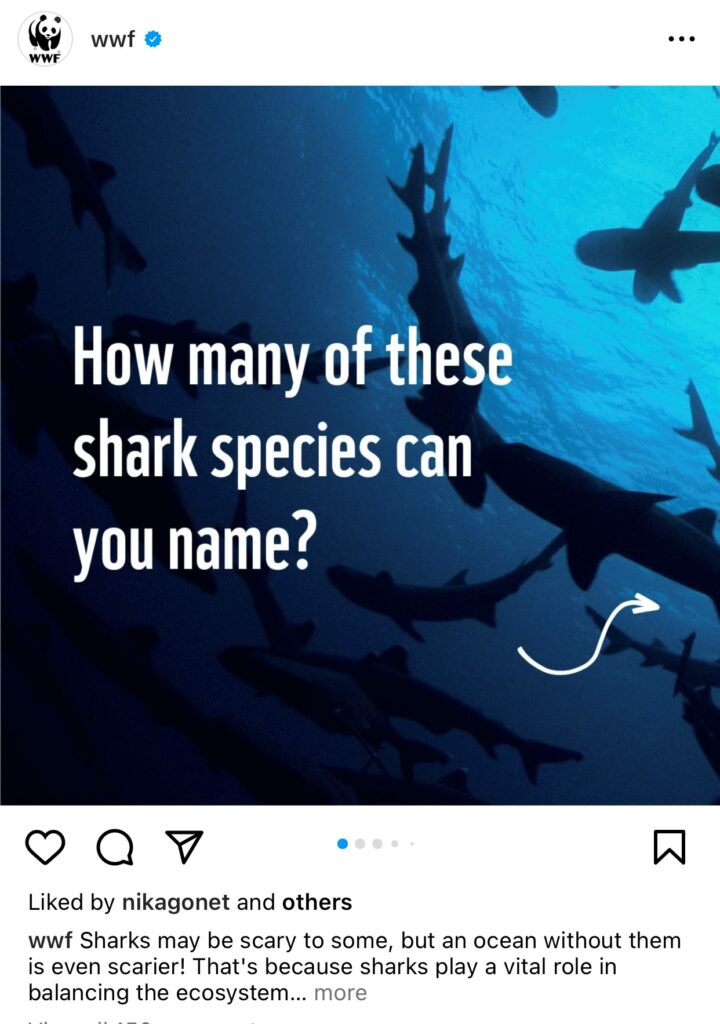
Instagram Stories are the highest-frequency, lowest-production-expectation format, and that is both their strength and their weakness for brand strategy.
Stories reward authenticity and immediacy, and they are the format best suited for behind-the-scenes content, real-time updates, interactive polls, and direct audience engagement. The 24-hour window creates urgency that feed posts lack, which makes Stories an effective vehicle for time-sensitive promotions and flash offers.
The interaction features available in Stories, including polls, question stickers, sliders, and quizzes, are genuinely useful for audience research. Asking your audience directly about product preferences, content interests, or purchasing decision factors produces real data at near-zero cost. Most brands use these features for engagement purposes alone and miss their research value entirely.
Reels receive the most favorable distribution treatment from Instagram’s algorithm among all content formats, as Meta continues pushing Reels to compete with TikTok. This means Reels offer the highest potential reach for accounts trying to grow beyond their existing follower base.
The trade-off is production investment: Reels that perform well typically involve more planning, editing, and creative energy than Stories or even feed posts.
For brands that have not yet invested in Reels, the entry point worth considering is educational or informative content in your product or service category.
Tutorial, explanation, and quick-insight formats perform consistently well across industries and do not require sophisticated production relative to entertainment-oriented Reels that are competing with native creator content.
Instagram Live is underutilized by most brands relative to its engagement potential.
Live sessions generate real-time notifications to your followers, create an immediacy that no other format replicates, and allow for genuine two-way interaction.
Product launches, Q&A sessions with founders or experts, and partnership events with other brands or influencers are the Live formats that consistently produce strong engagement.
The production anxiety around Live is often overstated; audiences accept and often prefer the unpolished quality of live video in contexts where authenticity is the point.
The Algorithm, Honestly Explained
Understanding Instagram’s distribution logic helps explain why some content strategies produce compounding results and others plateau regardless of posting frequency.
The algorithm evaluates content on two primary dimensions:
- relevance to a specific user based on their historical behavior, and
- quality signals from early engagement after posting.
The implication is that posting content your existing audience ignores trains the algorithm to limit your reach, regardless of how frequently you post. Quality and audience alignment consistently outperform posting volume.
For new account growth, Reels receive broader distribution to non-followers, making them the most effective format for audience expansion.
For engagement with existing followers, Stories and feed posts with strong early engagement rates perform best.
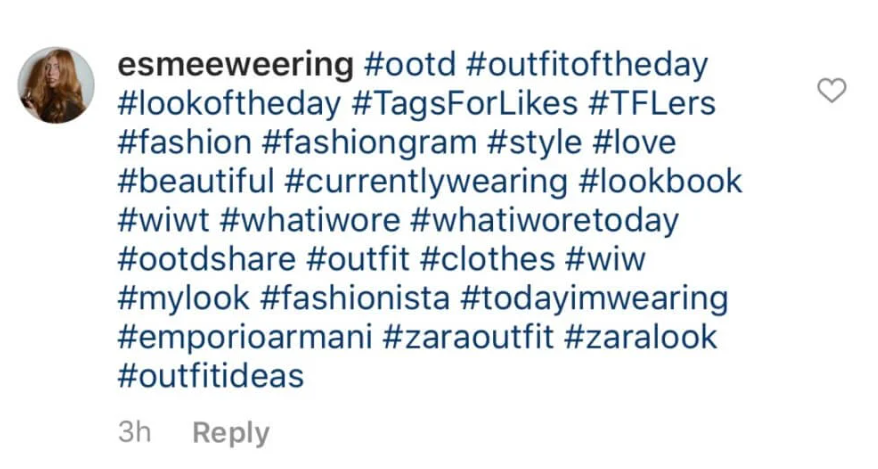
Hashtags still function as a discovery signal, but their impact has diminished as Instagram has improved its contextual understanding of content.
Highly specific, niche hashtags that reflect exactly what your content is about tend to outperform high-volume generic hashtags for reaching genuinely relevant audiences. A hashtag with 50,000 posts reaches a more targeted audience than one with 50 million, and the competition for visibility within it is lower.
The timing of posts matters less than it once did due to algorithmic distribution, but there is still logic to posting when your specific audience is most active.
Your Instagram Insights will show you the hours and days when your followers are on the platform. Leading with your best-performing content types during peak activity windows gives the algorithm the early engagement signal it needs to distribute the post more broadly.
Instagram Shopping: From Discovery and Purchase
For e-commerce brands, Instagram Shopping is the infrastructure investment with the clearest revenue return.
It allows products to be tagged directly in feed posts, Stories, Reels, and the Shop tab, creating a direct path from content to product page without requiring the user to navigate away and search manually.
The setup requires connecting your Instagram Business account to a Facebook catalog, either directly or through an e-commerce platform integration like Shopify.
Once approved by Meta, you can tag products in new and existing posts, and your profile gains a dedicated Shop tab.
The commercial logic is straightforward: Every friction point between product discovery and purchase initiation reduces conversion. Shoppable posts eliminate the “link in bio” step for product discovery and reduce the distance between inspiration and intent.
For high-visual categories like fashion, home goods, beauty, and food, this friction reduction can meaningfully affect conversion rates from Instagram traffic.
The mistake brands make with Shopping features: Tagging products in posts without ensuring the product page experience matches the quality of the content that drove the click. A beautifully styled product post that leads to a sparse or poorly designed product page creates a trust gap that loses the conversion it earned. The content-to-product-page alignment is as important as the tagging infrastructure.
Paid Advertising on Instagram: Making the Economics Work
Instagram’s organic reach has declined over the years as the platform has matured and competition for feed space has increased. For most brands, a paid component is necessary to reach audiences beyond existing followers at a meaningful scale.
The most important strategic decision in Instagram advertising is not which ad format to use. It is audience architecture. Instagram ads inherit Facebook’s audience targeting infrastructure, which is both their primary advantage and the source of most wasted spend. Broad audiences with no behavioral or interest filtering produce high impression volumes and poor conversion economics.
Tightly defined audiences based on purchase behavior, interest specificity, and lookalike modeling from high-LTV customer segments consistently outperform.
Retargeting campaigns should be running continuously for any e-commerce brand with meaningful Instagram traffic. Users who have engaged with your profile, viewed your shopping posts, or visited your website represent warm audiences with demonstrated interest.
Retargeting these users with specific product reminders or offers consistently generates the lowest CPA in Instagram ad accounts.
Lookalike audiences built from your best customer cohorts, defined by high LTV, repeat purchase rate, or specific product affinity, extend the performance characteristics of your best customers to new prospect populations.
The quality of a lookalike audience depends entirely on the quality of the seed audience. A lookalike built from all website visitors performs worse than one built from customers who have made three or more purchases.
Creative testing is not optional for brands running Instagram ads at scale. The same audience served by different creatives can produce dramatically different performance outcomes.
Build a systematic, creative testing process. Test one variable at a time. This helps you understand what actually drives performance. Allocate enough budget to reach statistical significance. Without it, your results won’t be reliable.
Brands that follow this approach consistently improve their Instagram ad performance. Those who don’t often settle for average results.
Influencer Marketing: Strategy That Drives Real ROI
Instagram influencer marketing produces variable outcomes for a consistent reason: Brands invest in influencer selection and creative direction but not in measurement and structure. The influencer posts, the brand sees an engagement number, and no one can attribute revenue to the campaign.
A more rigorous approach starts with defining success before the campaign begins. For awareness objectives, reach and brand sentiment shifts are the relevant metrics.
For direct response objectives, conversion tracking through unique discount codes, UTM-tagged links, or Instagram Shopping attribution is the only way to measure whether the investment generated revenue.
Micro-influencers, typically defined as accounts with 10,000 to 100,000 followers in a specific niche, consistently deliver better cost-per-engagement and often better conversion rates than larger generalist accounts.
Their audiences have opted in to specific content interests, which means a relevant product recommendation reaches a higher proportion of genuinely interested people. The engagement quality, meaning comments that reflect real audience interest rather than generic reactions, is typically higher than on larger accounts.
The evaluation criteria that matter for influencer selection:
- audience quality over follower count,
- engagement rate relative to follower size,
- comment quality and authenticity,
- content alignment with your brand’s aesthetic and values, and
- past performance data if available.
A creator with 40,000 highly engaged followers in your exact product category will outperform a creator with 400,000 followers in a loosely adjacent category for most conversion-oriented campaigns.
Long-term partnerships with a small number of well-aligned creators outperform one-off campaigns with many creators for brand affinity building. Consistent association with a trusted voice in your category creates the kind of cumulative brand impression that individual posts cannot.

The Engagement Layer: Captions, Comments, Community
Instagram’s algorithm rewards engagement, and engagement is a function of whether your content gives people a reason to interact. Captions are underutilized as engagement drivers by brands that treat them as descriptions of the visual content rather than as conversation starters.
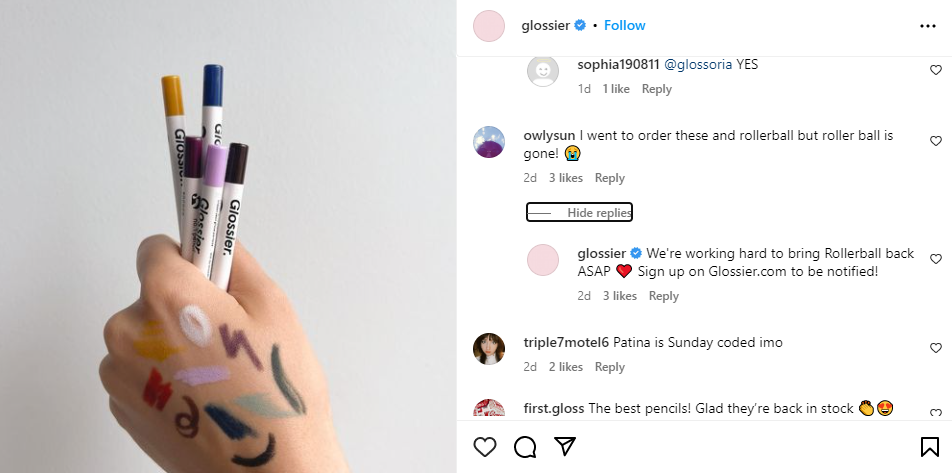
The most effective captions for engagement end with a clear, specific reason to comment:
- a question that invites a genuine response,
- a prompt to tag someone, or
- a choice between options.
“What would you choose?” outperforms “Let us know in the comments” because it removes the open-ended thinking required to respond.
Responding to comments is not community management overhead. It is an algorithm optimization.
Each comment-and-response exchange generates additional engagement signals that extend the post’s reach. Brands that respond to every comment within the first hour of posting consistently see better distribution than those that ignore the comment section.
The brands with genuinely strong Instagram communities treat the platform as a two-way channel rather than a broadcast medium. This means proactively engaging with followers’ content, not just responding to interactions on your own posts. It requires more time but builds the kind of audience loyalty that translates to retention and word-of-mouth.
Marketing Analytics: What to Track vs Ignore
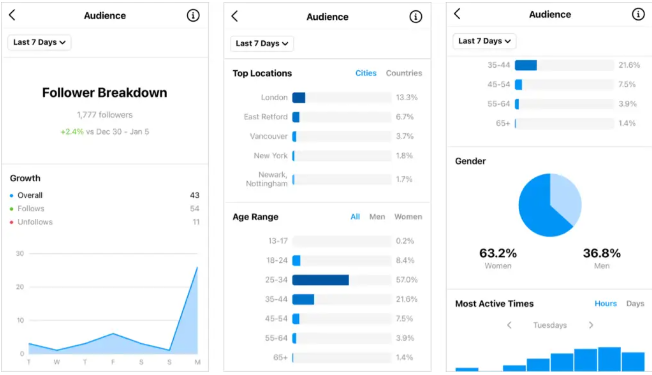
Instagram Insights provides enough data to make meaningful optimization decisions if you focus on the right metrics.
Reach and impressions are useful for understanding distribution performance, but should not be primary success metrics for commercially oriented accounts.
A post with high reach that generates no profile visits, link clicks, or shopping tap-throughs is not contributing to business objectives.
Saves are one of the highest-quality engagement signals on the platform and are significantly underweighted in most brand analytics reviews. A user who saves your post has signaled that they found it valuable enough to return to.
For content marketing, save rate is a better proxy for genuine content value than like rate.
Link clicks from bio and Stories are the most direct revenue-attribution metric available in Instagram’s native analytics.
Tracking these over time, and connecting them to website sessions and conversion data in your analytics platform with UTM parameters, creates the bridge between Instagram activity and business outcomes.
Follower growth rate is worth monitoring as a trend metric rather than an absolute target. Consistent follower growth in your target audience segment indicates that your content is being discovered and valued by relevant people.
Follower growth driven by giveaways or irrelevant viral content improves the number but degrades the audience quality.
Story completion rate, the percentage of viewers who watch through a multi-frame Story sequence without tapping away, is a useful indicator of content quality and audience interest that most brands do not track systematically.
Declining completion rates often precede declining overall engagement and are an early warning to review content strategy.
Why Platform Dependency Can Be a Brand Risk
One honest observation that most Instagram marketing guides skip: building your primary customer acquisition or retention infrastructure on Instagram creates platform dependency that carries real business risk.
Algorithm changes, reach declines, ad cost inflation, and policy shifts are outside your control and have materially affected brand performance on Instagram multiple times since 2012. The brands with the most durable growth are those that use Instagram to drive audiences into owned channels, specifically email lists, SMS programs, and direct website traffic, rather than treating Instagram reach as an end state.
Every Instagram strategy should include deliberate mechanisms for converting Instagram audiences to owned channels. Lead magnets promoted through Stories, email capture on the post-click landing page, and exclusive content or offers available only to email subscribers create pathways out of the rented Instagram environment and into an asset you own and control.
This is not an argument against investing in Instagram. It is an argument for treating Instagram as a customer acquisition vehicle for your owned channels rather than as the destination itself.
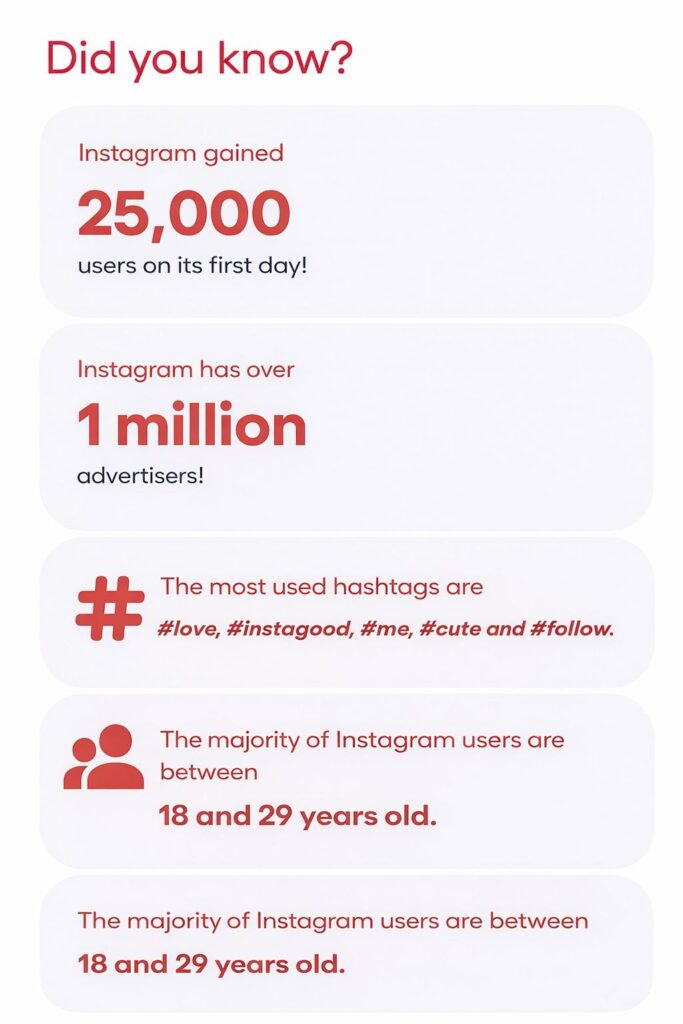
Instagram rewards brands that understand its commercial logic and invest in building the infrastructure, creative systems, and measurement frameworks to operate within it deliberately.
The brands that see compounding returns from the platform are not outspending competitors. They are outthinking them on strategy and outmeasuring them on what actually drives revenue.
Ready to Test Your Instagram Marketing Strategy?
If you want to assess whether your current Instagram presence is structured to drive business outcomes and where the highest-leverage changes are, a channel audit against these frameworks is worth doing before the next quarter’s content calendar is locked.